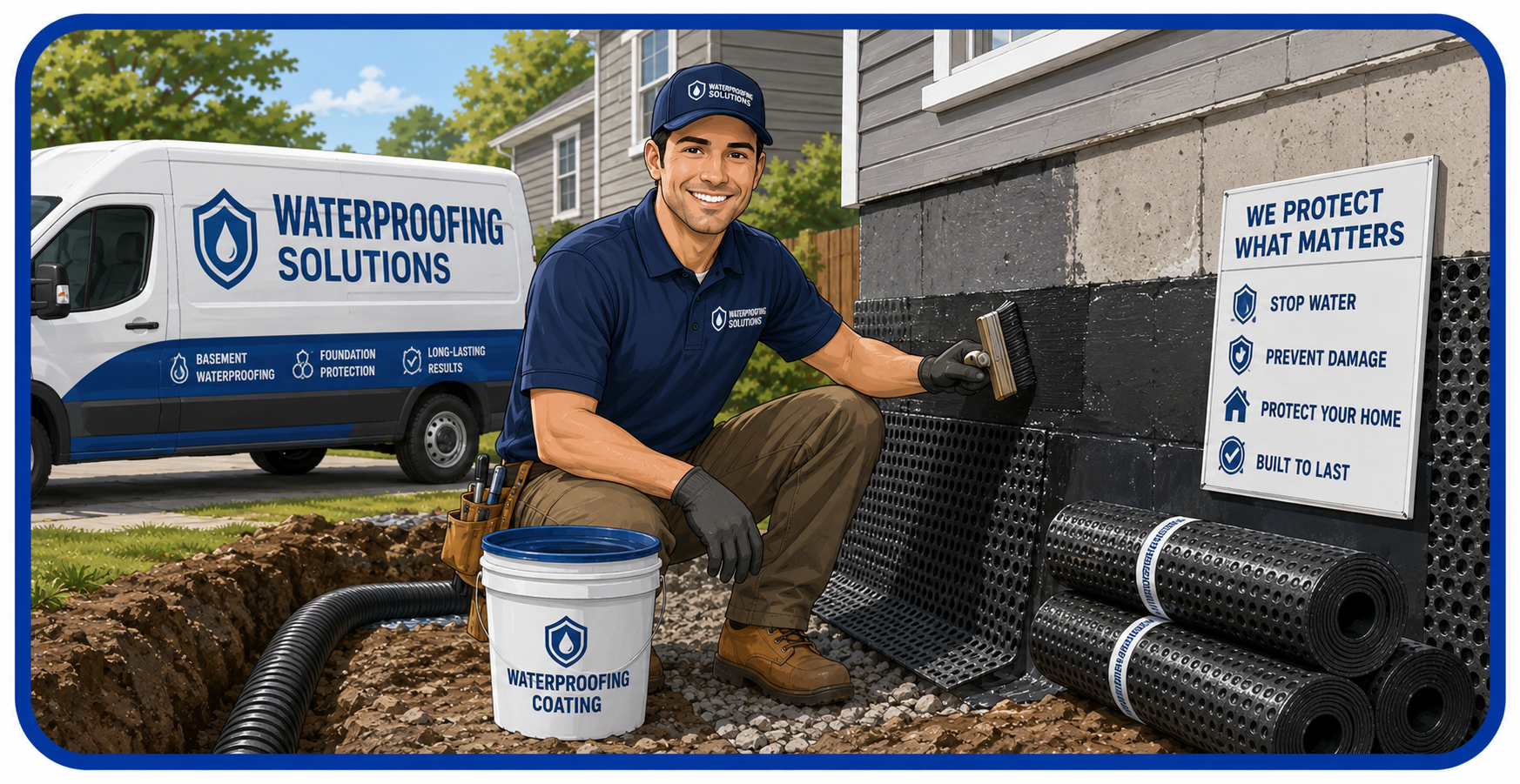
A vented, dirt-floor crawl space pulls in humid air all summer and stays damp all winter — encapsulation seals that cycle off completely and it usually shows up on your energy bill within a season.
Call +1-866-476-1348 Now
Four commitments that separate a properly trained crawl space encapsulation crew from a generalist showing up with a truck and a hope.
Our crews are trained in building science fundamentals — stack effect, dew point, vapor drive — not just liner installation.
Crawl space inspections are scheduled quickly because early mold growth only gets more expensive to remediate the longer it sits.
You'll see a line-item breakdown covering liner, sealing tape, vent covers, and dehumidifier if one is recommended.
We install 12–20 mil reinforced polyethylene liners, not the thin painter's-plastic-grade material some crews use to cut cost.
We don't run a one-size-fits-all playbook — every crawl space encapsulation job starts from these core service components, adapted to what your property actually needs.
A complete encapsulation seals the dirt floor, foundation walls, and piers with heavy-gauge reinforced polyethylene, cutting off the ground moisture that feeds humidity, mold, and wood rot. This is the baseline fix for most crawl spaces showing chronic humidity above 60%.
We seal vents with rigid foam or vent covers as part of a full encapsulation, converting the space to a conditioned, sealed environment.
A properly sized dehumidifier, drained to a sump pit or gravity line, keeps relative humidity below the 55% threshold where mold and wood-destroying insects thrive. We size units to cubic footage, not square footage, since ceiling height varies a lot between crawl spaces.
We install a dedicated sump basin and pump sized for the space's water intake, tied into the encapsulation system's drainage channel.
Prolonged moisture exposure softens floor joists and sill plates well before it's visible from inside the home.
Four steps, start to finish — from the first call to a sealed, humidity-controlled crawl space.
A quick phone triage helps us bring the right liner mil-thickness and dehumidifier sizing information to the first visit.
Technicians arrive with moisture meters, a borescope camera for hard-to-reach areas, and sample liner material to show you what's being proposed.
You'll see photos of any wood rot, mold growth, or standing water documented before the quote is finalized.
The space isn't considered complete until relative humidity readings confirm the system is holding at target levels, not just until the liner is down.
Real feedback from Centerpoint-area customers who called us for crawl space encapsulation.
"The musty smell that used to reach our upstairs bedrooms is completely gone since they encapsulated the crawl space."
"They showed us the mold on the joists with a camera before we ever agreed to anything — appreciated the transparency."
"Dehumidifier they installed keeps the readout right around 45% humidity year-round now. Huge difference from before."
"Sump basin they added handled a heavy rain last month without a drop making it under the new liner."
The questions Centerpoint customers ask us before booking crawl space encapsulation service.
Our crawl space encapsulation crews cover Centerpoint and the surrounding Centerpoint, IN service area, with regional dispatch keeping response times tight regardless of which part of the footprint you're in.
Our encapsulation coverage area grows as we add regional crews, so a past 'outside our area' answer may no longer be accurate.
Notice: Arrow Tight Waterproofing is a free referral service designed to assist homeowners and businesses in connecting with independent local contractors. All contractors and service technicians are independent and Arrow Tight Waterproofing does not warrant or guarantee any work performed. It is the responsibility of the customer to verify that the hired contractor furnishes the necessary license and insurance required for the work being performed. All calls are routed to independent local service providers.